Friday, December 31, 2010

Super Inday and the Golden Bibe


Cast: Marian Rivera, John Lapuz, Mylene Dizon, Jake Cuenca, Pokwang; Direction: Michael Tuviera; Story and Screenplay: Aloy Adlawan; Cinematography: ; Editing: Jay Halili; Music: Aldred Ongleo ; Producers: Roselle Monteverde, Lily Monteverde; Genre: Fantasy/Comedy; Running Time:2 hours 6 minutes; Location: Manila; Distributor: Regal Films

Technical Assessment : 2.5
Moral Assessment : 3.5
Rating : PG 13


Ibinagsak sa lupa ang anghel na si Goldie (John Lapuz) upang maghanap ng panibagong superhero bago siya muling makabalik sa langit. Kasama ang isang tyanak na namatay bilang sanggol ay pupuntiryahin nila si Inday (Marian Rivera) upang bigyan ng mga pagsubok bago ipagkaloob ang buong kapangyarihan ng isang superhero. Si Inday ay isang simpleng probinsyana na nagpunta sa Maynila upang hanapin ang kanyang tunay na ina. Mamamasukan siya sa dating pinagtratrabahuhan ng ina bilang katulong. Bagamat malupit ang mayordomang si Kokay (Pokwang) at ang bagong asawang si Ingrid (Mylene Dizon) ay mapapalapit naman si Inday sa dalawang anak ni Danilo (Jestoni Alarcon). Samantala, pilit na inaalam ni Super J (Jake Cuenca) ang utak ng mga halimaw na dumurukot sa mga bata. Sa kanyang paghahanap ay mapapadpad siya sa pagawaan ng mga laruan na pag-aari ni Danilo at Ingrid. Dito magkakatagpo-tagpo ang kanilang mga landas para sa maaksyong katatawanan.

Unang ipinalabas ang Super Inday and the Golden Bibe nuong 1988 sa pangunguna ni Maricel Soriano. Kaya naman hindi maiiwasan ang paghahambing sa dalawang pelikula. Di hamak na mas malinaw ang daloy ng kwento ng naunang bersyon. Sa dami ng sub-plots ng bersyon ni Tuviera ay hilaw at malabnaw ang pagbuo nito. Mababaw din ang mga diyalogo at may kakornihan pati ang komedya nito. Nasa Super Inday and the Golden Bibe ang laging sakit ng pelikulang Pinoy: ang umaalingawngaw na eksena at katauhang kinopya buhat sa ibang pelikulang banyaga (si Batman at mga alagad ni Joker sa The Dark Knight), ang napakadaling hulaan na daloy ng kwento at ang pag-uulit ng katatapos na biro o eksena para siguradong naiintindihan ng manunuod. At dahil pantasya ang pelikula ay bibigyang bigat ang husay ng mga special effects, na sa lawak ng kakayahan ng post production sa panahon ngayon ay pipitsugin pa rin ang ipinakikita sa pelikula. Unang-unang kapintasan ay pagka halata ang pagkakapatong ng mga kuha sa chroma at ang madalas na paggamit ng slow motion tuwing eksena ng aksyon. Madalian ang pagkakagawa ng ibang special effects. Halimbawa ay sumobra sa motion blur at color correction ang eksena ng paglipad nina Super J at Super Inday. Maraming elemento ng produksyon ang hindi rin masyadong napag-isipan. Tulad ng pagkakaroon lamang ng iisang katulong sa napakalaking bahay na pinaglilingkuran ni Inday o ang kakatwang itsura ng mga laruang binuhay ni Ingrid na mukhang mga mascot sa isang walang kwentang children’s party. Isa pa’y ang hindi-kapani-paniwalang itsura ni Irma Adlawan bilang inang may sakit ni Inday—masyado siyang makinis, hindi mukhang kawawa o may sakit; tinipid lang ba sa make-up o talagang nakaligtaan? Maging ang musika at tunog ay hindi na rin masyadong binusisi. Sayang ang husay sa pag-ganap nina Rivera, Dizon at Pokwang na natabunan lamang ng mababaw na katatawanan. Sa kabuuan, nakakaaliw ang Super Inday and the Golden Bibe, pero maraming maipipintas dito ang mga manunuod na mahilig mamburirit ng aspetong teknikal sa pelikula.

Sa kabila ng kapintasang teknikal sa Super Inday and the Golden Bibe, mairerekomenda pa rin ng CINEMA ang pelikula kahit sa mga bata, pagkat bukod sa wala itong mahahalay na eksena, maraming aral na laman ito. Hindi lamang mga itlog ng bibe ang ginintuan sa pelikula kundi ang mga maraming aral din. Halimbawa, malinaw na isinasaad nito kung ano ang bumubuo sa isang superhero. Hindi basta’t super powers kundi ang kabusilakan at kabutihan ng pagkatao. Ito ang isa sa mga magagandang aral ng pelikula. Hindi lamang basta magaling sa suntukan o may pambihirang kapangyarihan ang mga katangian ng isang bayani. Higit sa panlabas na kakayahan ay ang ganda ng kalooban ang kailangan. Ang pagiging bayani ay hindi isang pamana o suwerte kundi pinaghihirapan dahil hinihingi nito ang kabaitan, pagiging mapagpatawad, katapangan at ang pagkahandang isakripisyo ang sarili para sa kapakananan ng iba. Magandang halimbawa, lalo sa mga kabataan, ang katauhan ni Inday na kinailangang dumaan sa maraming pagsubok bago ginawaran ng kapangyarihan. Isa sa mga pagsubok ay ang buong pusong pagtanggap sa pananagutang kaakibat ng kapangyarihan. Mainam na binigyang-diin ang aspetong ito lalo na sa panahon ngayon kung kailan tila mas ginugusto pa ng taong maging malaya mula sa tungkulin o obligasyon sa kanyang kapwa kaysa maging tagapaglingkod ng kabutihan. Kapansin-pansin din na bilang isang ganap na superhero, walang high tech gadgets si Inday; bagkus ay Pilipino pa rin ang mga sandata niya: batya’t palu-palo. --By Josephine Fenomeno

Thursday, December 23, 2010

Secretariat


CAST: Diane Lane, John Malkovich, Dylan Walsh, James Cromwell, Kevin Connolly, Nelsan Ellis, Dylan Baker, Margo Martindale, Otto Thorwarth, Fred Thompson; DIRECTOR: Randall Wallace; WRITER: Mike Rich; GENRE: Drama; RUNNING TIME: 123 min.

Technical: 3.5
Moral: 3
R 14 (For viewers aged 14 and up)


Penny Chenery (Diane Lane) refuses to sell the horse farm that her ailing father (Scott Glenn) had built from scratch. Partly because she wants to honor her father’s efforts while trusting her hunches, she decides to keep it despite pressure from her family who need the money badly, and from her husband Jack Tweedy (Dylan Walsh) and her children who she frequently leaves behind in Colorado in order to visit the farm in Virginia. She fires a disloyal farm manager and hires a retired trainer Lucien Laurin (John Malkovich), resolved to put the farm back on its feet. To raise funds she decides to sell one of their two best horses. In a ritual familiar to horse breeders, she flips a coin with a millionaire Ogden Phipps (James Cromwell) who gets the horse he wants—which is fortunate for Penny because what she really wants is the other horse, a pregnant mare. Together with her young son and the trainer Lucien, Penny is present when the mare gives birth to a male foal that stands up as soon as he is out of the mare’s womb. The groom, Eddie Sweat (Nelsan Ellis), says he has never seen a horse rise on its legs that soon after birth. In due time they name him “Secretariat”.

Secretariat is the name of a true-to-life race horse whose record, set in 1973—as the first Triple Crown champion in 25 years—still stands today, after 37 years. The movie boasts of a no-nonsense script by Mike Rich which does justice to the book on which the film is based, “Secretariat” by William Nack. If the movie feels authentic, it is because Nack (who was a reporter at Newsday) followed the horse all throughout its life, practically becoming its biographer for 20 years. Also, every actor in the film couldn’t have been more perfectly cast, delivering performances that make no room for frills or unnecessary soap. Lane and Malkovich are at their top form, creating vivid characters able to elicit sympathy from viewers. (Too bad they do not disclose the identity of the horse that played Secretariat; while he is no actor, he definitely gets as much camera time as any human on the scene). Crisp editing and spot-on cinematography work hand in hand to enhance capable direction by Randall Wallace.

Viewers need not be racetrack enthusiasts to stay awake through 116 minutes this movie. Secretariat may be a great race horse’s name but the film is not just about horses or racing. It’s a fascinating story about that mysterious connection between humans and animals. While it is a rich source of information about horse breeding and consequently horse-racing, it focuses on what people do on a daily basis—the farm owners, the trainer, the groom, the jockeys, the breeders—and how their decisions affect their lives.

Here’s a piece of information that points to the invisible in the story: author Nack said that in real life the people around Secretariat (at Meadow Farm in Virginia) believed the horse was blessed. What was it about Secretariat that emboldened Penny Chenery to refuse to sell the farm despite an impending bankruptcy, to choose to keep her untested horse over a purchase offer of $7 million (the exact amount that would have saved the family from a total wipeout), to hold on to Secretariat when its chances at winning seemed slim? Secretariat’s record-setting performances saved Penny’s family from insolvency—it did more, much more. Could the horse really be “blessed”? By the time of its death at the ripe old age of 19 years, Secretariat had sired 600 foals; the autopsy also revealed that Secretariat’s heart was two and a half times the size of the average horse’s heart. CINEMA gives Secretariat a good rating but this in no way encourages viewers to bet at the races or endanger family ties on the strength of a hunch. Let’s just say that some people are either lucky or have a lot of horse sense. –By Teresa R. Tunay, OCDS

Tuesday, December 14, 2010

Skyline


CAST: Donald Faison, Eric Balfour, David Zayas, Scottie Thompson, Brittany Daniel, Crystal Reed, Neil Hopkins; DIRECTOR: Colin Strause, Greg Strause ; SCREENPLAY: Joshua Cordes; DISTRIBUTOR: Universal Studios; RUNNING TIME: 90 minutes; LOCATION: US; GENRE: Suspense-Sci-Fi.

Technical Assessment: 1.5
Moral Assessment: 2
CINEMA Rating: For viewers 14 and above


Jarod (Eric Balfour) and his girlfriend, Elaine (Scottie Thompson) fly to Los Angeles to attend a birthday bash of his longtime friend Terry (Donald Faison). After a wild night of partying, strange beams of eerie blue-ray lights awaken Elaine and Jarod and the rest of the guests. Later on they discover these lights are actually emitted by alien spacecrafts that lure humans in, mutate them and then warp them onto the mother ship that eats human brains. Jarod, who just discovered that Elaine is pregnant, decides that his family, along with their friends, will survive the alien invasion.

There is nothing much to say about the film for it has no legitimate plot to speak of in the first place. Much of the movie is devoted to aliens chasing human beings, and nothing more; the supposed plot points are just incidental to the alien invasion. The story confines itself to the interior of the building, and the audience is not really brought outside to the milieu where the more interesting events could be happening. The special effects could have worked better if the movie had a compelling story or at least decent acting to showcase. Editing is just as bad and everything seems to happen irrationally. In the end, Skyline could simply be one of those forgetable if not disgusting doomsday/alien invasion sci-fi flicks.

The film, as what all sci-fi would always present, puts premium on the value of the preservation of human life. Although such value is presented in a form of “suvival of the fittest”, still, it is apparent how a man would do everything to protect his family. However, such attempts appear to be futile on the humans’ end because apparently, the strange creature is much more powerful, armed, equipped and determined to destroy the planet and all surviving humans. The reason for such is not explained in the movie. At some point, the movie might be trying very hard to equate the story with that of Sodom and Gomorrah with its insinuations of sexual excess, but even those are never really resolved. The movie only presents infidelity, fornication and other vices like drug and alcohol abuse but does not really make a moral stand on these. This makes the film even more disturbing. In the battle between humans and extra-terrestial beings, the latter is seen to be at the winning end. The humans, with all their mortality, weaknesses and limitations shall never win over this war for they are portrayed as powerless, most especially that the characters are portrayed to have no faith in the Divine nor any spirituality to speak of. They rely only on their survival instincts and so they get what they deserve—their brains become snacks for the aliens. The ambiguous ending seems to say that despite everything, the human brain prevails over the monster, and that tenderness and love will assure the safety of the unborn, but then again, nothing in the movie prepares the audience for this conclusion. When all this time you show humans being outsmarted and captured by aliens that look like giant and stylized cephalopods and crustaceans equipped with far superior war craft, how can you create a last-minute hero and be credible?—By Rizalino Pinlac, Jr.

Monday, December 13, 2010

The Chronicles of Narnia: The Voyage of the Dawn Treader


CAST: Ben Barnes, Skandar Keynes, Georgie Henley, Will Poulter, Tilda Swinton, Laura Brent, Gary Sweet, Arthur Angel, Simon Pegg, William Moseley, Anna Popplewell and Liam Neeson DIRECTOR: Michael Apted SCREENWRITER: Christopher Markus & Stephen McFeely PRODUCERS: Mark Johnson, Phillip Steuer and Andrew Adamson GENRE: Adventure RUNNING TIME: 115 min DISTRIBUTOR: Twentieth Century Fox

Technical: 3.5
Moral: 3
CINEMA Rating: PG 13 (Children aged 13 and below with parental guidance)


The two youngest Pevensie children Lucy (Georgie Hensley) and Edmund (Skandar Keynes) reenter the magical kingdom of Narnia through a picture of a sailing ship that comes to life and floods the room with water. This time their unbelieving cousin, Eustace Scrubb (Will Poulter) is with them, and the trio find themselves afloat a real sea and face to face with the ship, Dawn Treader, captained by the new king of Narnia (Ben Barnes). They climb on board and soon they are island-hopping with Caspian on a quest to free the land from the curse supposedly originating from the Dark Isle.

The Chronicles of Narnia: Voyage of the Dawn Treader is important enough to merit the presence of the Queen and the Duke of Edinburgh at the movie’s recent Royal premier in snow-blanketed London. While this fact does not guarantee that the movie will match the record of its predecessors at the box office, it nonetheless gives a kind of assurance that this latest of the Pevensie children’s adventures will add to the magic of the Christmas season for movie-going families. The Lucy and Edmund characters come to the limelight as the older Pevensie children Peter (William Moseley) and Susan (Anna Popplewell), on the brink of adulthood, are busy with other things: Peter with his studies, and Susan with travels with their parents. With plenty of flying dragons, dwarves, sea creatures, various warriors and interesting swordfights, Voyage of the Dawn Treader is not wanting in special effects that will bring glee to a younger audience than Harry Potter’s, particularly with the antics of the swashbuckling mouse Reepicheep (voiced by Simon Pegg). This is not to say that it’s a movie for youngsters alone; even the adults in the audience do laugh with the children, and ooh and aah The role of Eustace, the Pevensies’ snooty cousin perfectly assigned to Poulter, steals the thunder from everything, as you’ll see below. over visual delights like row-boating on a sea of white lilies, for instance.

Some critics sneer at the Christian undertones in C. S. Lewis’ series, but even for non-Christians, they do have valuable messages to convey. Some are found in the wisdom of the resurrected Aslan (voiced by Liam Neeson), the lion who stands for righteousness. Others are reflected in the challenges and temptations to vanity, power and ill-gotten gold encountered as Caspian and the children search for the seven lost lords of Narnia. Wisdom and righteousness are virtues extolled in all religions, whether or not they believe in the resurrection of Jesus. The most dramatic and real transformation, however, is that of Eustace, the cousin, who starts out as a skeptic, desperately and foolishly clings to the only world he has ever known, and is a first-class pain in the neck—until the magical baton touches his hand.

The Chronicles of Narnia: Voyage of the Dawn Treader reminds us of the value of innocence. Too often, we leap out of childhood all too quickly, and our childlike belief in God is outgrown in the process. But when we are confronted with mystery, and grace touches us despite our stubbornness, we regain our original innocence, and we begin to believe in God again. That, it seems to CINEMA, is the message to adults in this “movie for children”. By Teresa R. Tunay, OCDS

Monday, December 6, 2010

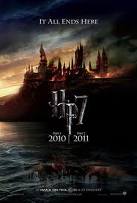
Harry Potter and the Deathly Hallows, Part 1

CAST: Daniel Radcliffe (Harry Potter), Emma Watson (Hermione Granger), Rupert Grint (Ron Wesley), Helena Bonhan Carter (Bellatrix Lestrange), Ralph Fiennes (Lord Voldemort), Michael Gambon (Professor Albus Dumbledore) DIRECTOR: David Yates SCREENWRITER: Steve Kloves NOVEL: J.K. Rowling GENRE: Drama, Action & Adventure, Mystery & Suspense, Science Fiction & Fantasy RUNNING TIME: 150 minutes DISTRIBUTOR: Warner Bros. Pictures LOCATION: England
Technical: 3.5 Moral: 3 Rating: R 14 (Aged 14 and above)

Harry (Daniel Radcliffe), Hermione (Emma Watson) and Ron (Rupert Grint) have begun to bloom into adulthood. Gone are the childish games at Hogwarts School of Wizardry, and though they have the power to materialize where they will, they are now on their own in a wide, wild world, as the Ministry of Magic, led by villain Voldemort (Ralph Fiennes) plot their destruction. But how can they fight off Voldemort and his Death Eaters, when they have seemingly outgrown the powers they had so marveled at in their childhood? That Harry now keeps his white owl in a cramped parrot cage speaks of the predominance of new emotions burgeoning in the young heroes’ hearts, among them the wonders of sexual maturity.

Harry Potter and the Deathly Hallows, being the first half of the last installment of Rowling’s series, recalls the numerous characters in the previous chapters. Thus, it won’t make sense to you if you are seeing Harry Potter for the first time. It requires an exceptionally retentive memory to piece together the past episodes in order to grasp how this particular one now becomes the logical outcome of the evolving saga. As usual, Harry Potter the movie is Harry Potter the movie—always looked forward to by fans with breathless anticipation. You might be disappointed if you are waiting for more wand-wielding wars among wizards, or flying objects (though there’s a flying bike here) and phenomenal pyrotechnics, because the magical element in this episode is watered down by the human element of coping with a teenagers’ hormonal changes. In fact, many of the forest scenes where the trio helplessly run from their attackers are so reminiscent of those in Twilight-New Moon-Eclipse movies that you half-expect a werewolf to spring from the bushes. One unforgettable portion of Harry Potter and the Deathly Hallows is the Story of Death and the Three Brothers, read by Hermione and depicted as a graceful version of a puppet shadowplay. (Watching it while enjoying the “comfy-comfy” wide seats and the superb sound system of the newly renovated Market-Market Cinema 1, we hoped that stretch of spellbinding puppetry would never end! They could make a whole new movie using that device!)

If there’s something that flies faster than a witch’s broomstick, it is time. And this is so effectively portrayed in Harry Potter and the Deathly Hallows where the protagonists are learning fast to rely more on their human instincts than on magical tricks. You cannot help but recall how small they were in the first Harry Potter movie, and now you realize you’ve seen these kids grow up! Hermione is now an attractive young woman who has retained her mental brilliance, Harry has grown into an empathetic gentleman increasingly aware of his destiny, and Ron is, alas!, overpowered by a slipping self-esteem and dark gripping jealousy. When Harry and Hermione kiss topless, you’ll see how time flies, indeed! After all the magical mumbo-jumbo of past episodes—which seemed mere child’s play for the Hogwarts kids Harry, Hermione and Ron—they now must confront the first flush of adulthood which no magic wand ever can control. The message is: no matter the extraordinary powers they have, humans are still human and their first task is to master themselves if they must be of use to the rest of humanity. CINEMA recommends you watch this with teenagers and see what they think especially of this brainteaser of a message. – By Teresa R. Tunay, OCDS